
The short version
- Slow breathing (about 6 breaths a minute) is linked to calmer heart rate and mood in research.
- One minute of slower exhales before a decision can change the decision.
- Breathing is a skill, not a cure. Breathlessness or chest pain is a medical question.
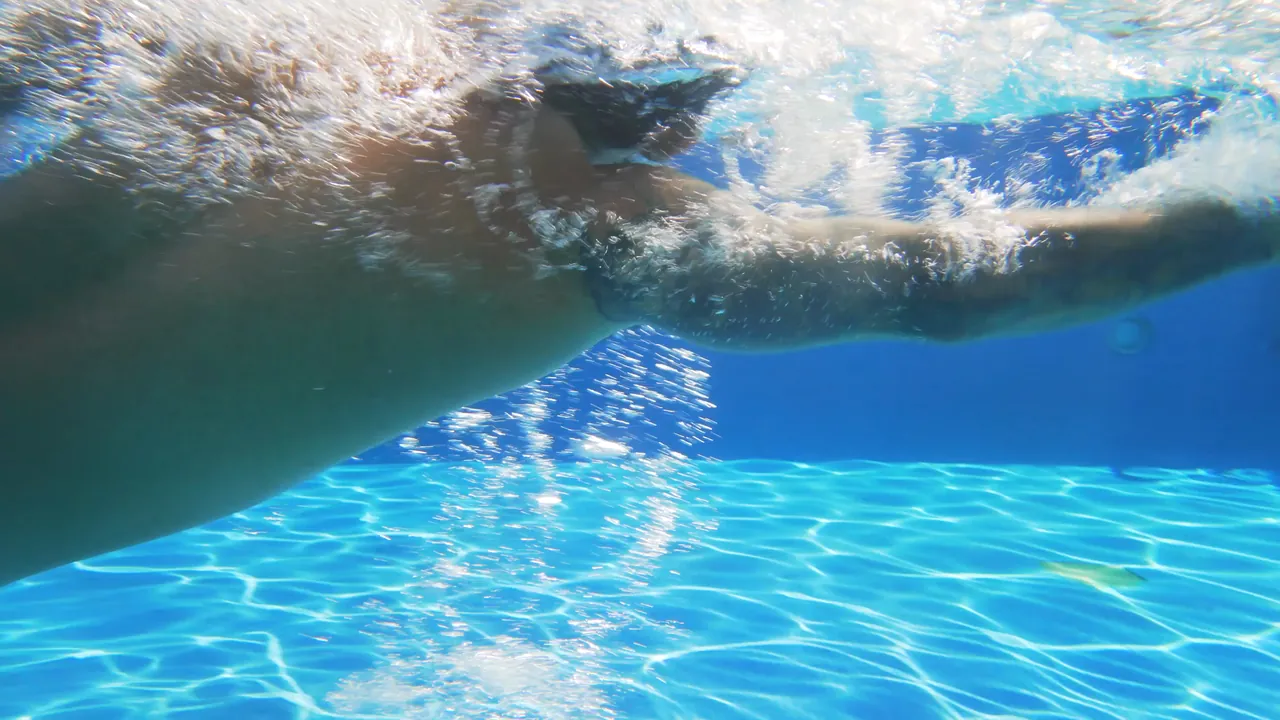
Swimmers learn breath before almost anything else. You can’t panic and swim well at the same time. When I coached kids who were scared of the water, the first lesson was rarely a stroke. It was learning to breathe out slowly, calmly, under control. Once the breath settled, everything else got easier.
Out of the water, the same thing is true. Before you add more training, skip a meal, or quit something, a minute of slow breathing helps you make the decision on purpose instead of out of stress.
What research says
A 2018 systematic review in Frontiers in Human Neuroscience looked at slow-breathing techniques, around six breaths a minute or slower. It found links with increased heart-rate variability, more relaxation and lower anxiety in healthy people. That’s promising, not magic. Breathing won’t fix an injury or an illness. It’s a reliable way to turn the volume down so you can hear yourself think.
The 1-minute 4-6 breath
- Sit or stand tall. Let your shoulders drop away from your ears.
- Breathe in gently through your nose for a count of 4. Let your belly and lower ribs expand.
- Breathe out slowly through your nose or pursed lips for a count of 6.
- Repeat for about six breaths, which takes roughly a minute.
- Notice one thing that changed: your shoulders, your jaw, your heart rate, your thoughts. Then decide.
When to use it
- Before training, to arrive in your body instead of your inbox.
- Between hard sets, to bring your breathing back under control.
- Before eating when you’re stressed, so you’re eating because you’re hungry.
- At the end of a long shift, before you decide whether to train.
- At night, as part of winding down for sleep.
Breathing during exercise
Don’t hold your breath during holds or hard efforts (Lesson 4). A common pattern is to breathe out during the hardest part of a lift and in during the easier part. For steady cardio, try to breathe in a rhythm, and slow down if you can’t speak in short sentences during “easy” work.
Common mistakes
- Forcing big, deep breaths. Gentle and slow works better than big and fast.
- Shrugging your shoulders up on every inhale.
- Expecting one breathing session to fix chronic stress or sleep problems.
- Ignoring warning signs. Unusual shortness of breath, chest pain or dizziness needs medical attention, not a breathing drill.
The point of this lesson is simple. Breathe first, then decide. The decision is yours. This school won’t make it for you.
Do this today (1 minute)
Set a timer for one minute and do the 4-6 breath. Do it once more before bed tonight.
Questions people ask
What is the 4-6 breathing technique?
A slow-breathing pattern where you inhale for about 4 counts and exhale for about 6, which works out to roughly six breaths per minute. The longer exhale tends to feel calming for most people.
How often should I practice breathing exercises?
One minute, a few times a day, works well: in the morning, before training or a stressful task, and before bed. Consistency matters more than session length.
Can breathing exercises lower blood pressure?
Some research links slow breathing with modest benefits, but it doesn’t replace medical care. If you have high blood pressure, follow your clinician’s plan and ask whether breathing practice fits into it.
Sources
- Zaccaro A et al. How breath-control can change your life: a systematic review on slow breathing. Front Hum Neurosci, 2018.
- Watson NF et al. Recommended amount of sleep for a healthy adult (AASM/SRS consensus). J Clin Sleep Med, 2015.
Education only. Not medical advice. Confirm with your clinician.